

The Subtle Art of Scale and Proportion: Designing Interiors That Feel Effortlessly Balanced
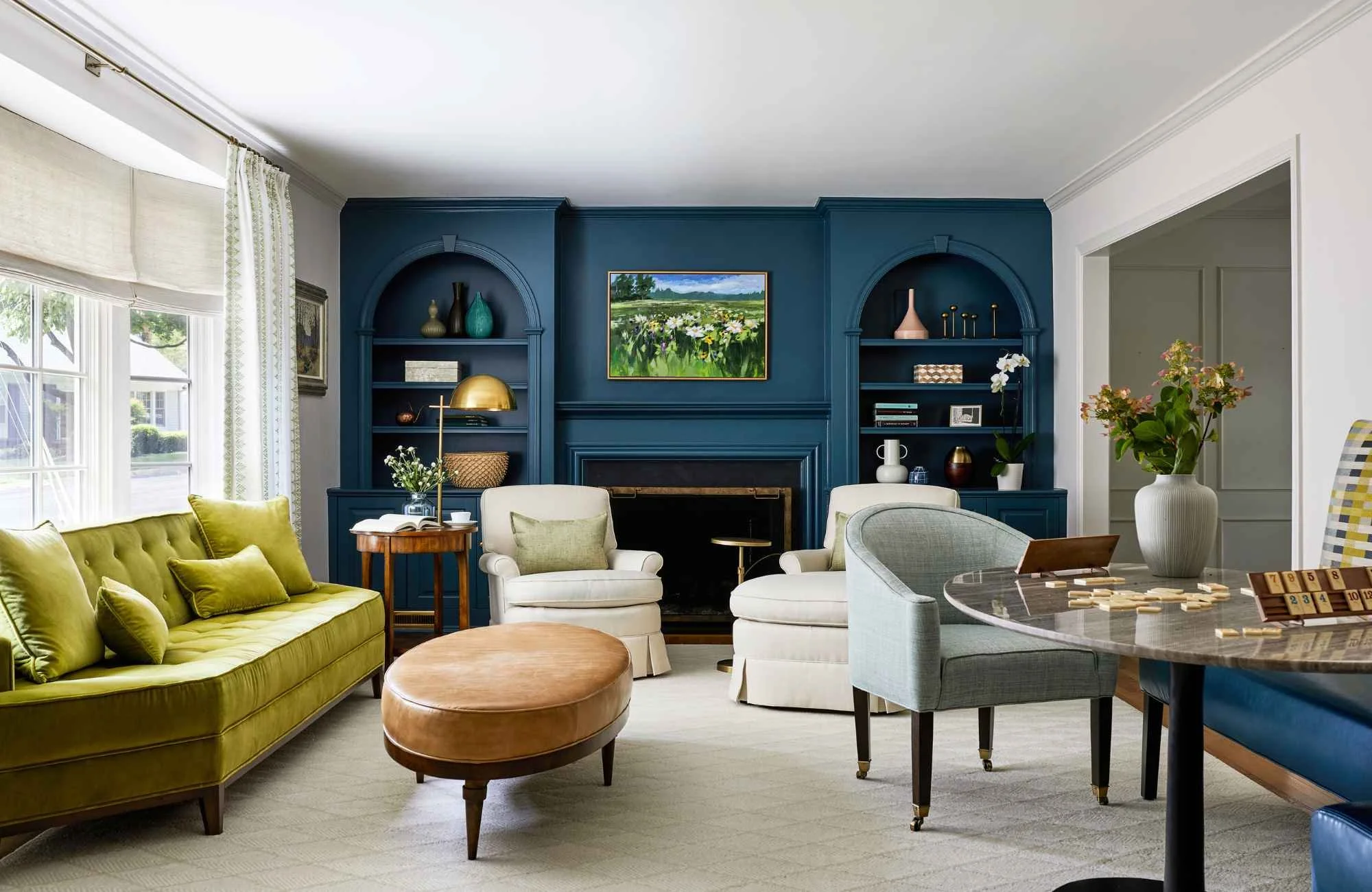
When it comes to interior design, few principles are as foundational—and yet as overlooked—as scale and proportion. As a designer, I prioritize these elements from the very start of every project because they are the secret to creating spaces that feel balanced, comfortable, and visually harmonious. Without thoughtful attention to scale and proportion, even the most beautiful rooms can feel awkward or disjointed.
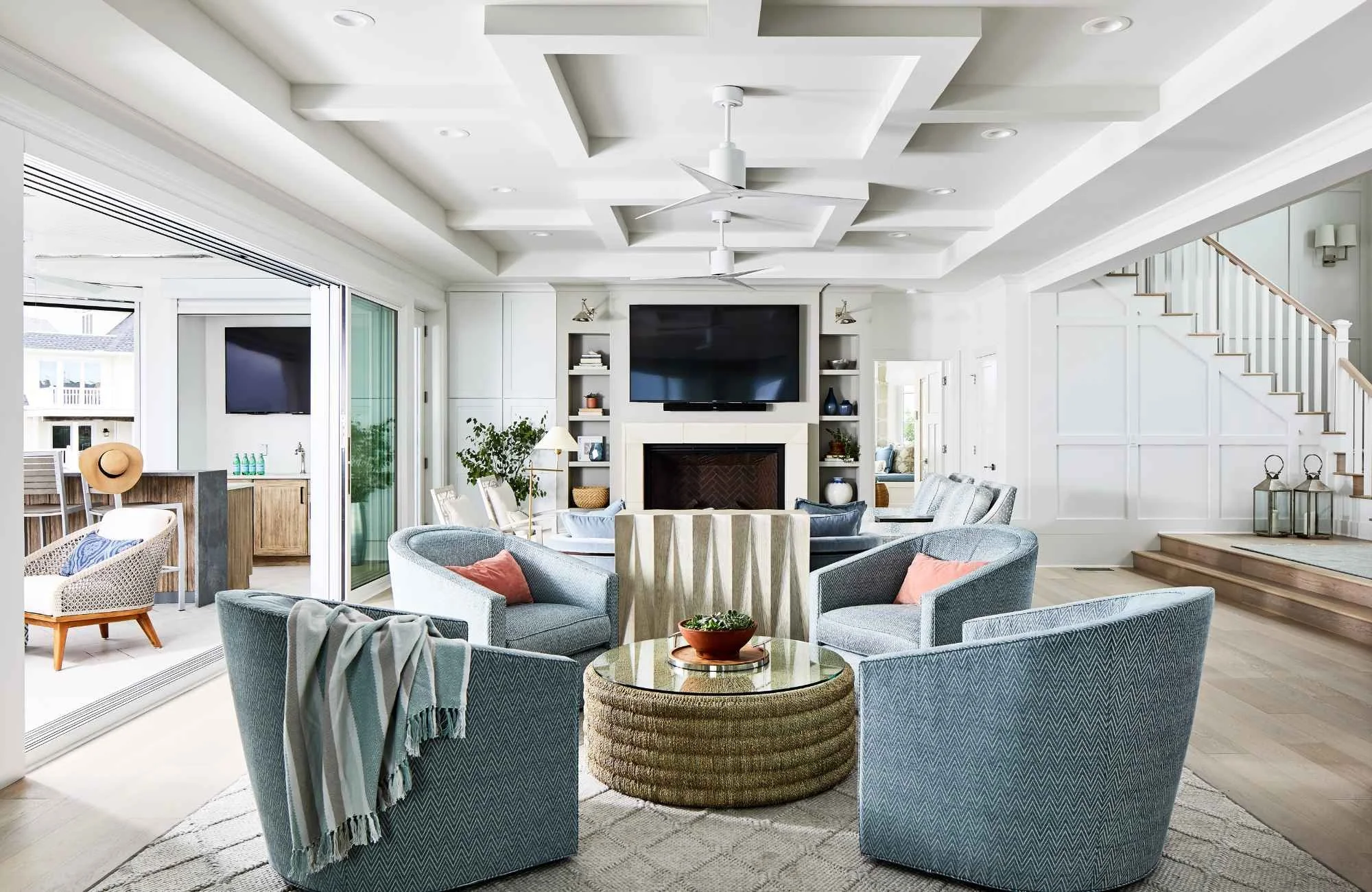
One of the first things I consider is how rooms relate to one another. Imagine a giant great room attached to a tiny kitchen—it creates a jarring disconnect that unsettles the flow of the home. Similarly, furnishings within each room must fit together cohesively. A common error I see is a rug that’s too small for the room or the seating area it’s meant to anchor. This small misstep can throw off the entire balance of a space.
Scale and Proportion: The Foundation of Refined Interiors
Scale refers to the size of an object in relation to the space it occupies, while proportion is about the relationship between the sizes of different objects within that space. Both work hand in hand to create a sense of order and comfort. For example, a large sofa in a small room can overwhelm the space, while a tiny chair in a vast living area can feel lost and insignificant.
Designing for Comfort: How Scale Shapes the Way You Live
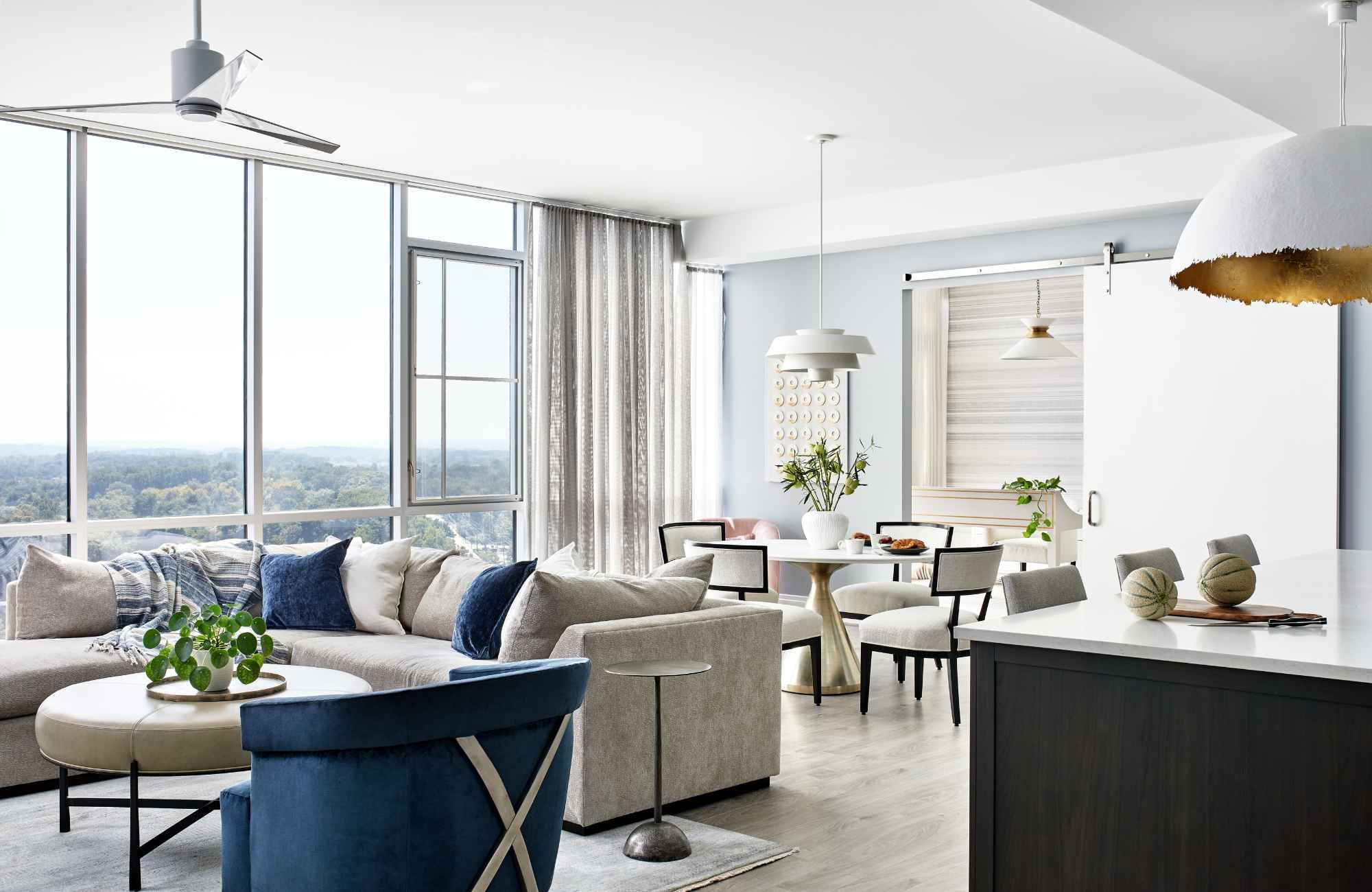
Scale isn’t just about aesthetics—it directly affects how comfortable and functional a room feels. Oversized furniture can restrict movement and make a space feel cramped, while pieces that are too small may not provide adequate seating or utility. By carefully selecting furnishings that fit the room’s scale, I ensure that each space supports the lifestyle and needs of my clients.
Achieving Visual Harmony Through Thoughtful Proportion
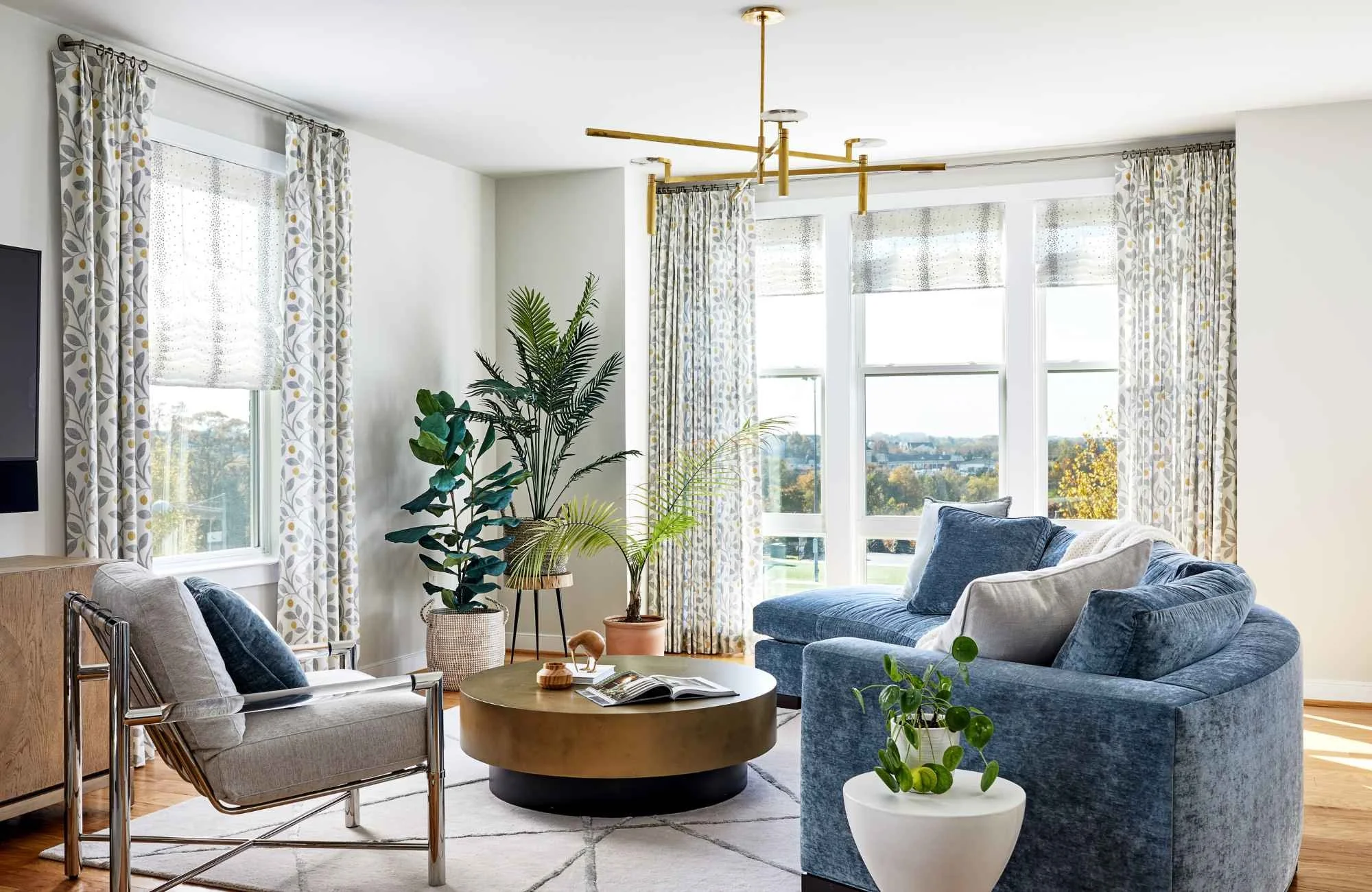
Proportion helps maintain visual balance by ensuring that objects relate well to each other. This includes everything from furniture groupings to the size of artwork on walls. When proportions are off, a room can feel chaotic or uninviting. I often use proportion to guide decisions about layering textures, colors, and patterns, creating a cohesive and inviting environment.
A Designer’s Approach to Balance and Cohesion
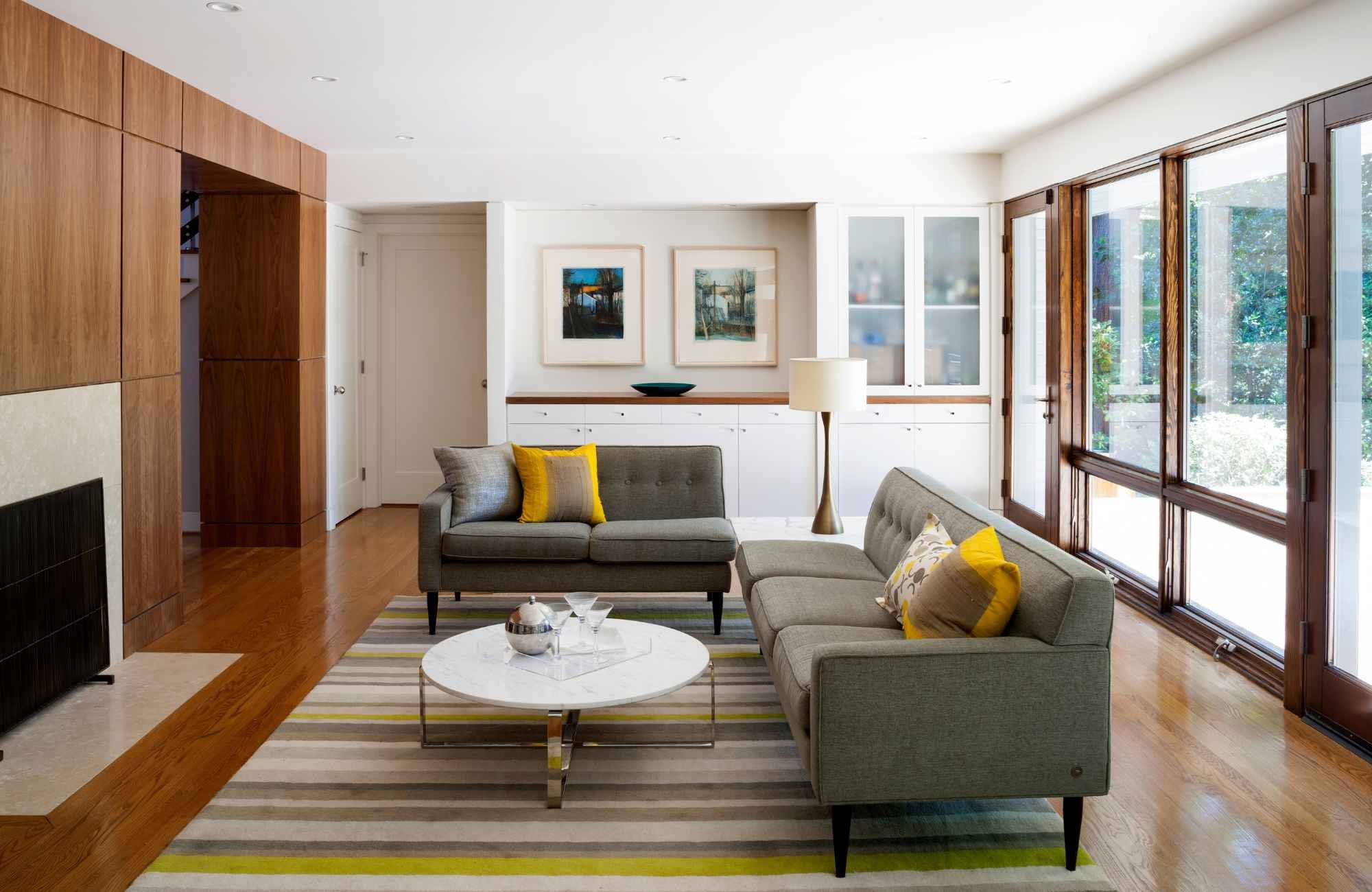
Achieving the right scale and proportion requires a designer’s eye and experience. It’s about making intentional choices and sometimes tough tradeoffs. For instance, I might avoid overly large statement pieces in a modestly sized room to preserve flow and openness. Instead, I focus on pieces that complement each other and the architecture, creating a seamless narrative throughout the home.
Scale and Proportion: Expert Insights
Q: How can I tell if my furniture is the right scale for my room?
A: Measure your space carefully and consider the function of each area. Furniture should fit comfortably without overcrowding or feeling lost.
Q: What’s the difference between scale and proportion?
A: Scale is the size of an object relative to the room, while proportion is the size relationship between objects within the space.
Q: Can I mix different scales in one room?
A: Yes, mixing scales can add interest, but it should be done thoughtfully to maintain balance and cohesion.
Key Takeaways: The Details That Create Balance
Prioritize scale and proportion from the start to ensure rooms and furnishings relate harmoniously.
Avoid common mistakes like undersized rugs or mismatched furniture sizes that disrupt balance.
Use scale and proportion to enhance both comfort and visual appeal, tailoring spaces to your lifestyle.
If you’re curious to see more spaces that strike the right balance of scale and proportion, our portfolio is a great place to start. And if you’re ready to create interiors that feel just right, let’s work together. Contact me today to start your design journey and bring balance and harmony to your home
Warmly,
Christie